Laser Thermal CTO Daniel Schmidt to Keynote the 2026 Albany Nanotechnology Symposium
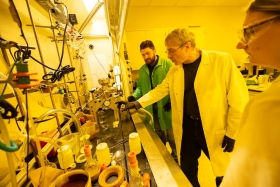
Laser Thermal CTO Daniel Schmidt will give the Day 1 keynote at the 2026 Albany Nanotechnology Symposium, October 22 to 23 at UAlbany’s ETEC Building in Albany, New York. His talk is titled “Keeping the AI Era Cool: Thermal Metrology for Advanced Semiconductor Manufacturing.” It covers a growing problem: AI processors produce more heat, and the materials and interfaces that carry that heat away need to be measured, not estimated.
The symposium brings together the Albany Nanotech Complex community, including UAlbany, IBM, Tokyo Electron, Applied Materials, NY Creates, GlobalFoundries, and RPI. This year’s program focuses on metrology and the role of AI in semiconductor manufacturing.
About Daniel

Daniel has more than 20 years of experience in semiconductor metrology. Before joining Laser Thermal, he worked on metrology development for EUV lithography at GlobalFoundries. He then led a team at IBM Research in Albany building measurement solutions for next-generation manufacturing. At Laser Thermal, he leads technology strategy and focuses on turning thermal measurements developed in the lab into tools that work in the fab. He is a Senior Member of SPIE and sits on the editorial board of the Journal of Micro/Nanopatterning, Materials, and Metrology. Connect with Daniel on LinkedIn.
Our instruments
Laser Thermal builds instruments that directly measure how heat moves through materials and architectures:
- FASTR (Frequency and Steady-State ThermoReflectance) measures and images thermal properties, from ultra-thin films to bulk materials.
- TOPS (Steady-State and Lock-In Thermography) measures bulk thermal conductivity in solids, liquids, pastes, gels, and foams, including TIMs and packaging materials.
New from Our Learning Center

Overcoming Challenges in Thermal Conductivity Measurement, from Soft TIMs to CVD Diamond

Thermal characterization matters more as AI accelerators intensify an existing package-level bottleneck
Five Key Challenges for Increasing U.S. Domestic Semiconductor Manufacturing Capacity

What is Thermoreflectance?

Unlocking Thermal Measurements in Thin Films
Overcoming Challenges in Thermal Property Measurement and Imaging of TIMs

Thermal Measurements for Emerging Materials – State-of-the-art measurements for thin films, TIMs, and high-temperature materials
Heat Beneath the Surface: Thermal Metrology for Advanced Semiconductor Materials and Architectures
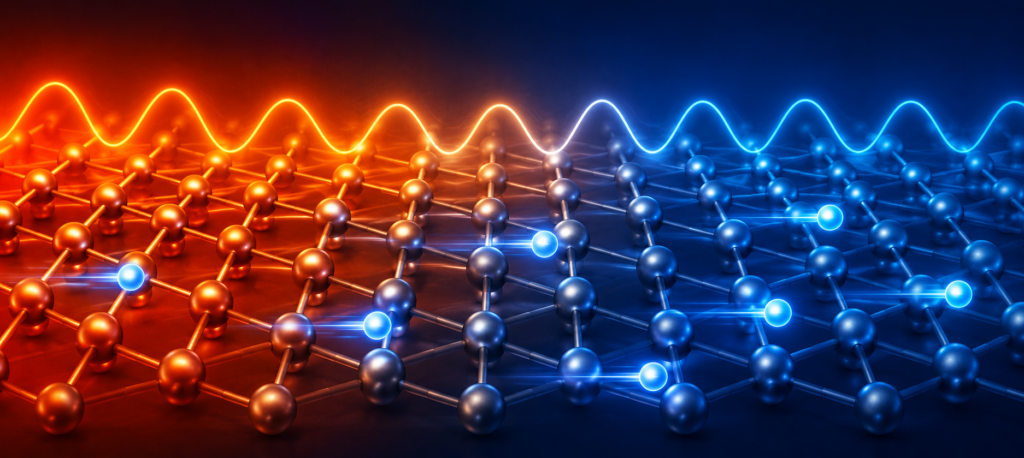
Unveiling Phonon Contributions to Thermal Conductivity and the Applicability of the Wiedemann–Franz Law in Ruthenium and Tungsten Thin Films.
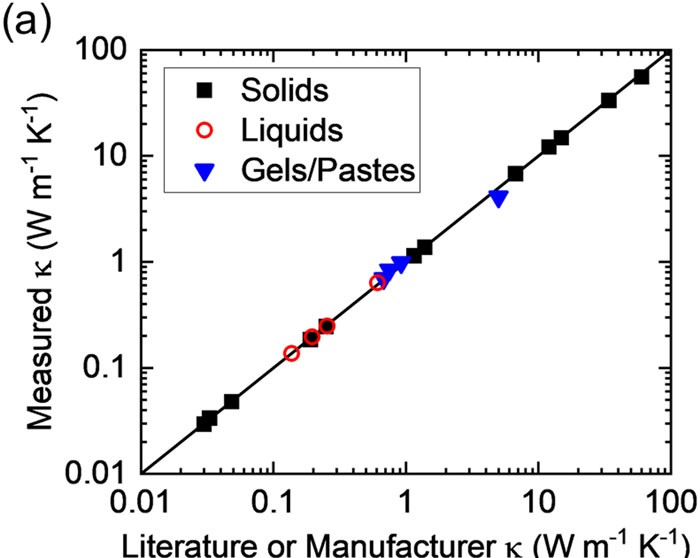
A thermo-optical plane source method to measure thermal conductivity
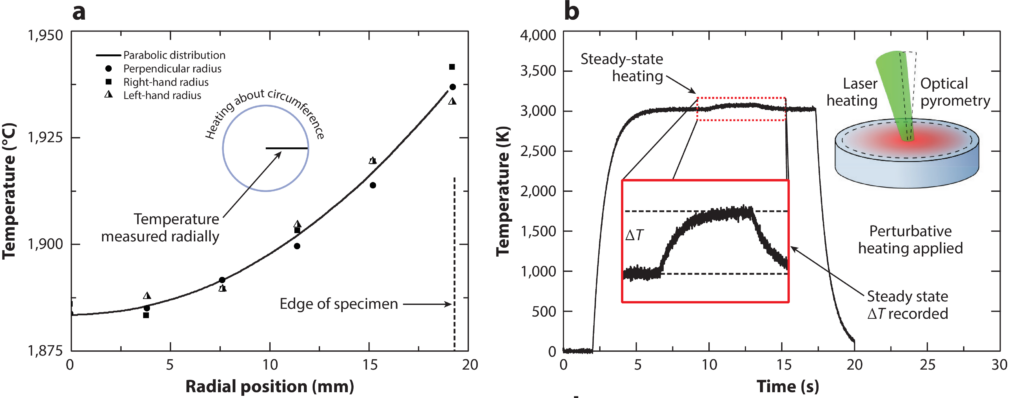
Limitations and Advances in Optical Thermal Transport Measurements: Extremes in Properties, Length Scales, and Temperature
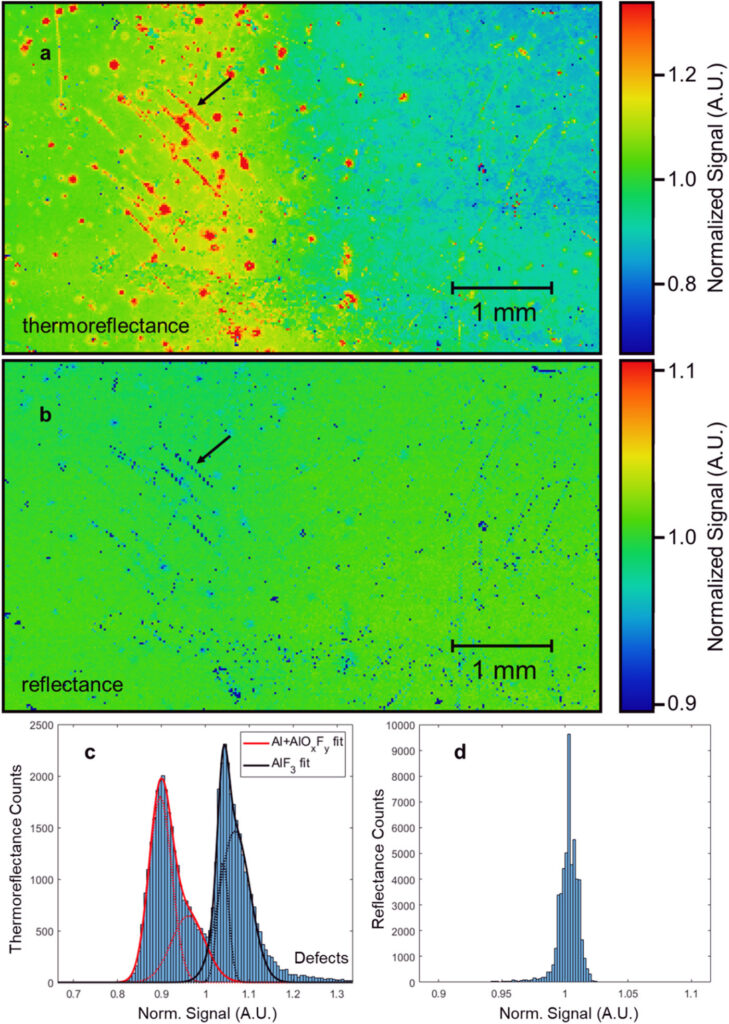
Characterization of AlF3-Passivated Aluminum Mirrors using non-contact thermal metrology
Thermal Conductivity
Thermal Resistance
Specific Heat, Volumetric Heat Capacity, and Thermal Diffusivity
Introduction to Thermal Metrology
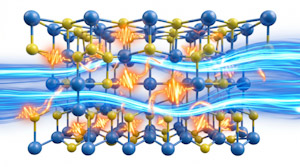
High Thermal Conductivity and Thermal Boundary Conductance of Homoepitaxially Grown Gallium Nitride (GaN) Thin Films
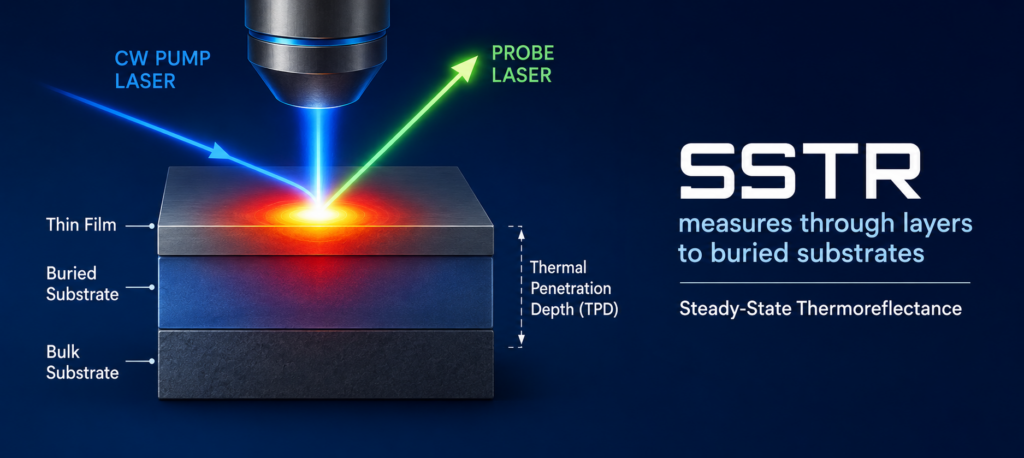
Thermal Conductivity Measurements of Sub-Surface Buried Substrates by Steady-State Thermoreflectance
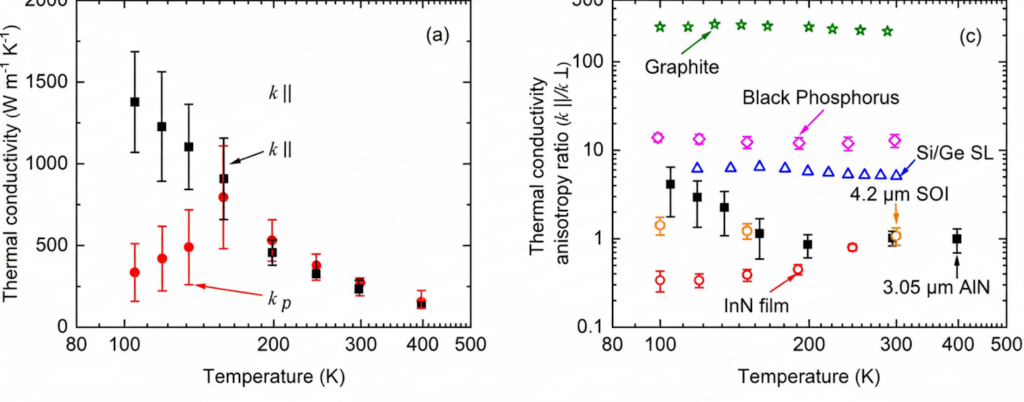
High In-Plane Thermal Conductivity of Aluminum Nitride Thin Films
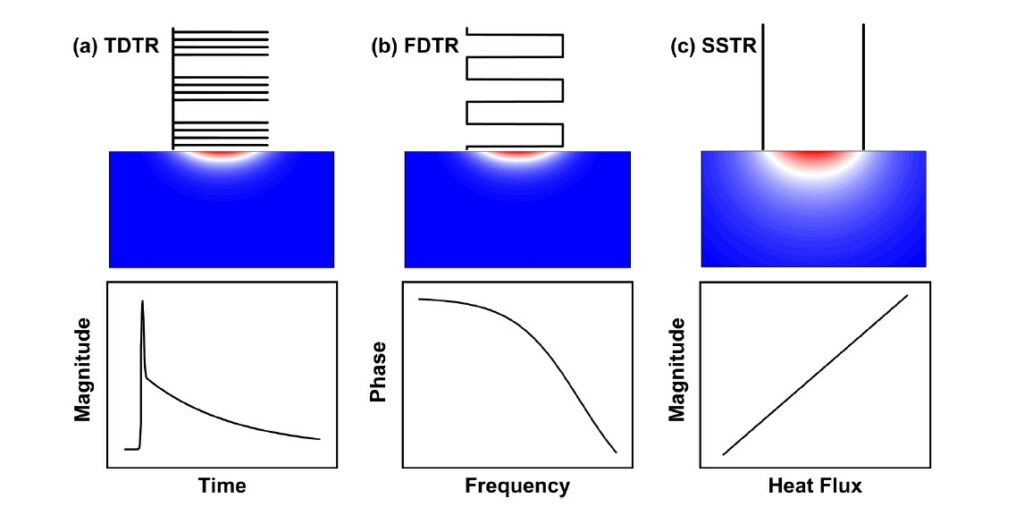
Spatially Resolved Thermoreflectance Techniques for Thermal Conductivity Measurements from the Nanoscale to the Mesoscale
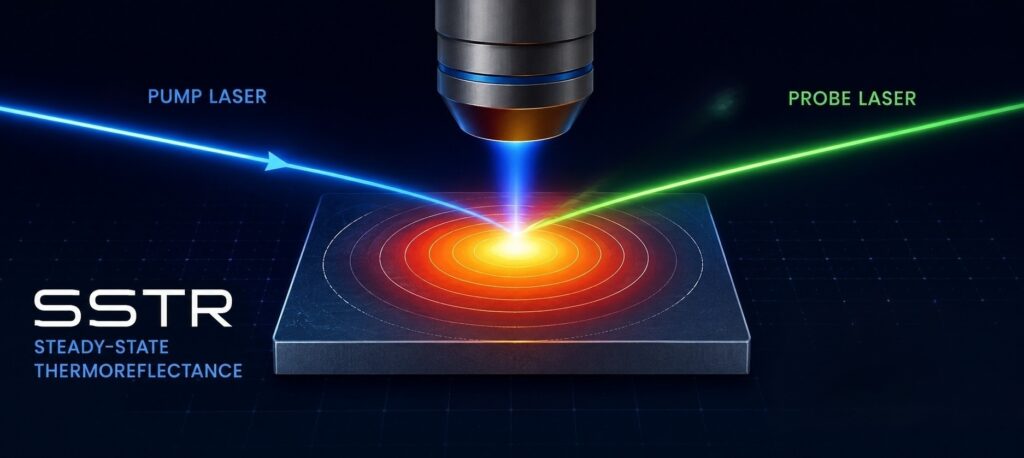
A Steady-State Thermoreflectance Method to Measure Thermal Conductivity

Volumetric Heat Capacity Unit Conversion Calculator
Thermal Conductivity Unit Converter
Temperature Rise Calculators
Thermal Energy Unit Conversion Calculator
